

The credit card machine freezes at the counter.
A customer is waiting. The lunch rush is starting. The router light blinks like it has something to say, but no one in the room needs a blinking light translated. The internet was working a minute ago. Now it is not.
Across southeastern New Mexico, that moment can happen in a restaurant, a school office, a ranch house, a clinic, a small business or a living room where someone is trying to finish the workday from home.
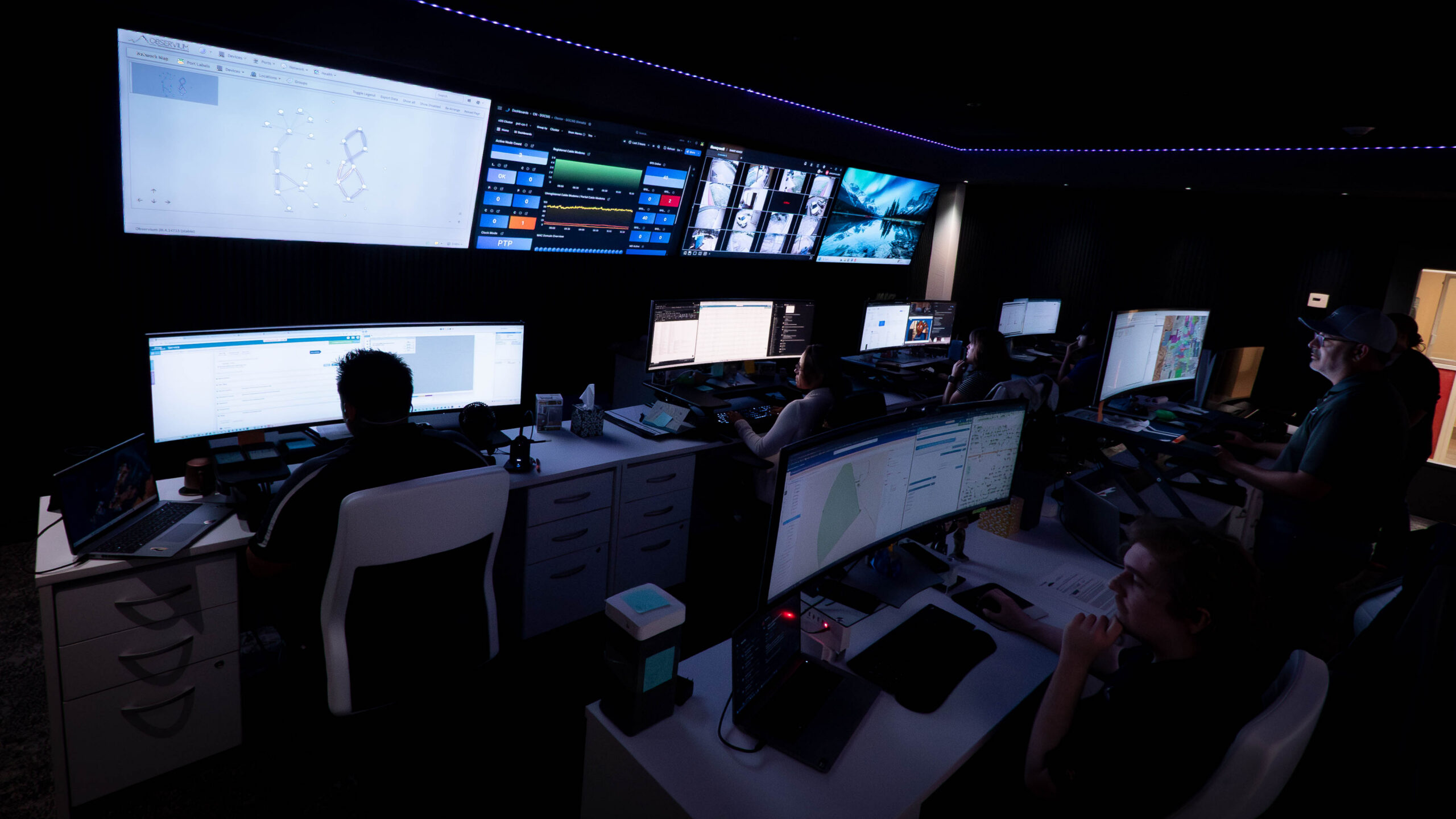
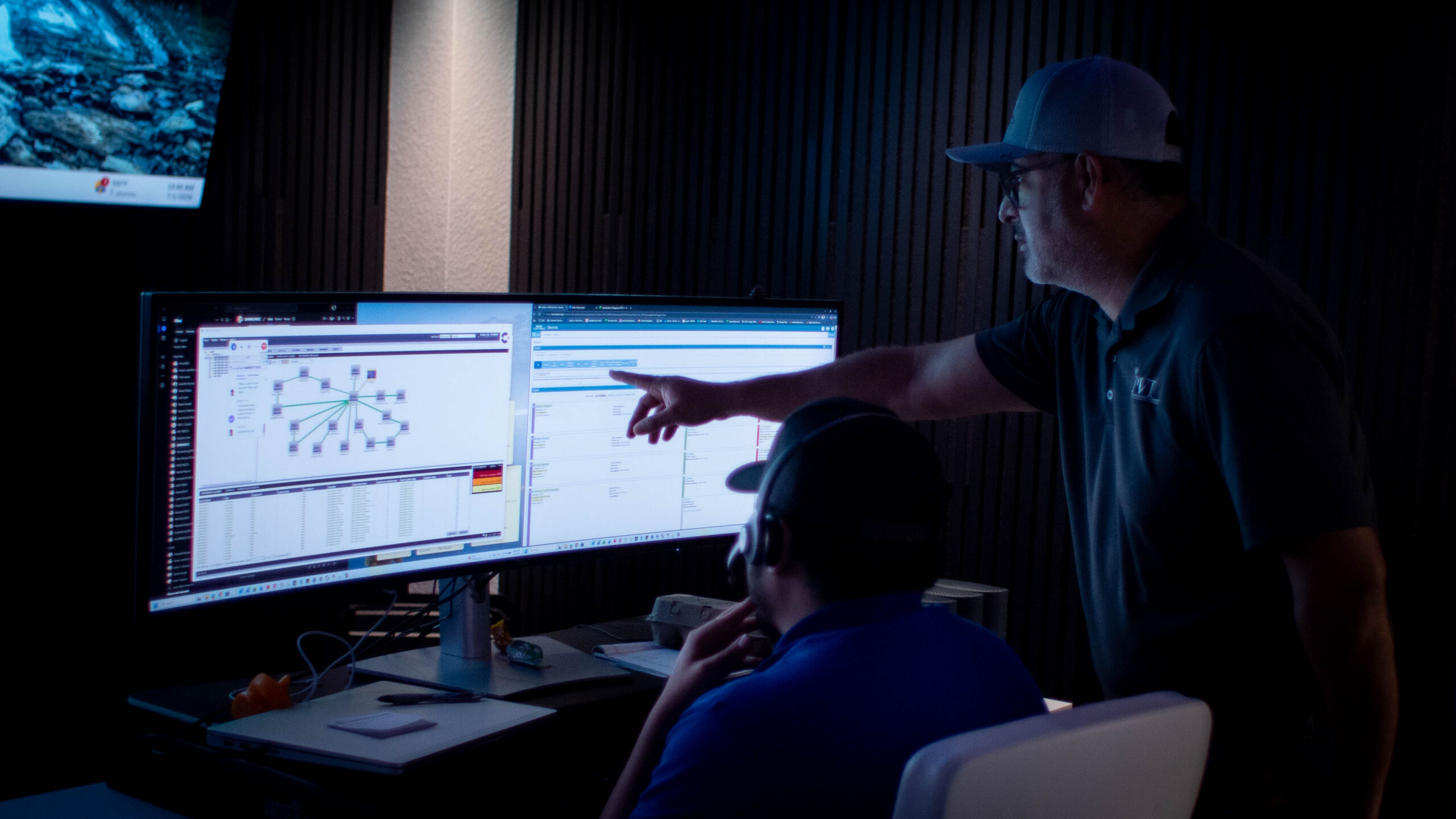
At PVT, that same moment shows up inside the Network Operations Center (NOC) as an alert and a team of experienced technicians get to work tracing it in real time.

What happens next?
The first job is to find out whether the problem belongs to one customer, one building, one neighborhood or a larger part of the network.
PVT’s NOC watches the system that keeps homes, businesses, schools and public services connected across the region. On ordinary days, that work stays in the background. People swipe cards, join video calls, check cameras, submit homework and stream ballgames without thinking about the fiber, equipment and crews behind the connection.
When an alert comes in, the work changes fast.
The team starts narrowing the problem by checking where the trouble began, what equipment is reporting it and how service is being affected.
Some issues can be handled before most customers know there was a problem. The network may reroute traffic around trouble, keeping service moving while the team investigates. In some cases, PVT starts tracking the problem before a customer notices it. The router PVT provides with internet service sends diagnostic information to the NOC, giving technicians an early view of trouble.
Other alerts point to damage that needs hands in the field.

A fiber line may be cut near a highway. Heavy equipment may have hit a buried line. Wind may have damaged poles or other infrastructure. A power outage may have taken network equipment offline.
When that happens, the response moves from monitor screen to trucks.
PVT’s NOC works with field technicians to locate the problem and decide what kind of repair is needed. They may send crews to a roadside, a remote site, a mountain location or a stretch of line where distance and weather can make the work more difficult.
The goal is to restore service safely and as quickly as possible.
Fiber cuts are among the most common causes of larger outages in PVT’s service area. Road work, oilfield traffic and large equipment can damage overhead or buried lines. Once technicians find the break, they may need to reach the damaged area, prepare the fiber and splice individual strands back together.
That work takes care and precision. A fiber repair is not a reset button. It is a hands-on repair, often done outside, sometimes in difficult conditions and always with customers waiting for service to return.
Power problems create a different challenge.
In the mountains, a loss of power can affect the equipment that helps carry service across the network. In the valleys, strong winds can damage lines, poles or related infrastructure. In those cases, PVT may have to work around safety conditions, weather or power restoration before internet service can fully return.
For customers, the wait can be hard.
A lost connection can stop a payment, delay an assignment, interrupt a call, cut off a camera or shut down a workday. Service interruptions happen with any provider, but with PVT, a call connects you to a local technician who can check your line and start fixing the problem right away.
If your internet goes out, the best first step is to call PVT’s support center, available 24/7 to help.
A call lets the support team check your specific service. It helps PVT confirm whether the problem is inside your home or business, tied to nearby equipment or part of a wider outage. It also creates a support record that helps the team see where trouble is happening.
If PVT confirms a wider outage, the company posts updates on social media when information is available. Those updates help customers know when a known service issue is affecting an area.
Behind each outage response is a local team watching alerts, answering phones, checking equipment, driving roads, climbing where needed, testing lines and making repairs. Some work from the NOC. Some work from trucks. Some help customers one call at a time.
Most of the work is never seen by the people waiting at the counter, in the classroom, on the ranch or at home.
But when a connection drops, PVT is already working to find the cause and get neighbors online.
Internet out? Call PVT support first. For wider outage updates, follow PVT on social media.