

Scammers are getting smarter, but a little awareness can go a long way.
Every day, people receive emails, text messages, phone calls and social media messages designed to look legitimate. These scams often appear to come from trusted companies, financial institutions, delivery services or even people you know. Their goal is simple: trick you into sharing personal information, passwords or payment details.
What Is Phishing?
Phishing is an online scam where criminals pretend to be a trusted source to persuade you to click a link, open an attachment or share sensitive information.
These messages often create a sense of urgency, claiming there is a problem with your account, a package delivery issue or an important action that must be taken immediately. The pressure is intended to make people react quickly without verifying the message first.
Common Red Flags to Watch For
Before clicking a link or responding to a message, look for these warning signs:
- Urgent requests that demand immediate action
- Offers that seem too good to be true
- Suspicious links or web addresses
- Unexpected attachments
- Generic greetings such as “Dear Customer”
- Spelling mistakes, grammar errors or unusual wording
If something feels off, trust your instincts and take a moment to verify before responding.
Phishing Isn’t Just Email
Today’s scammers use more than email to reach potential victims.
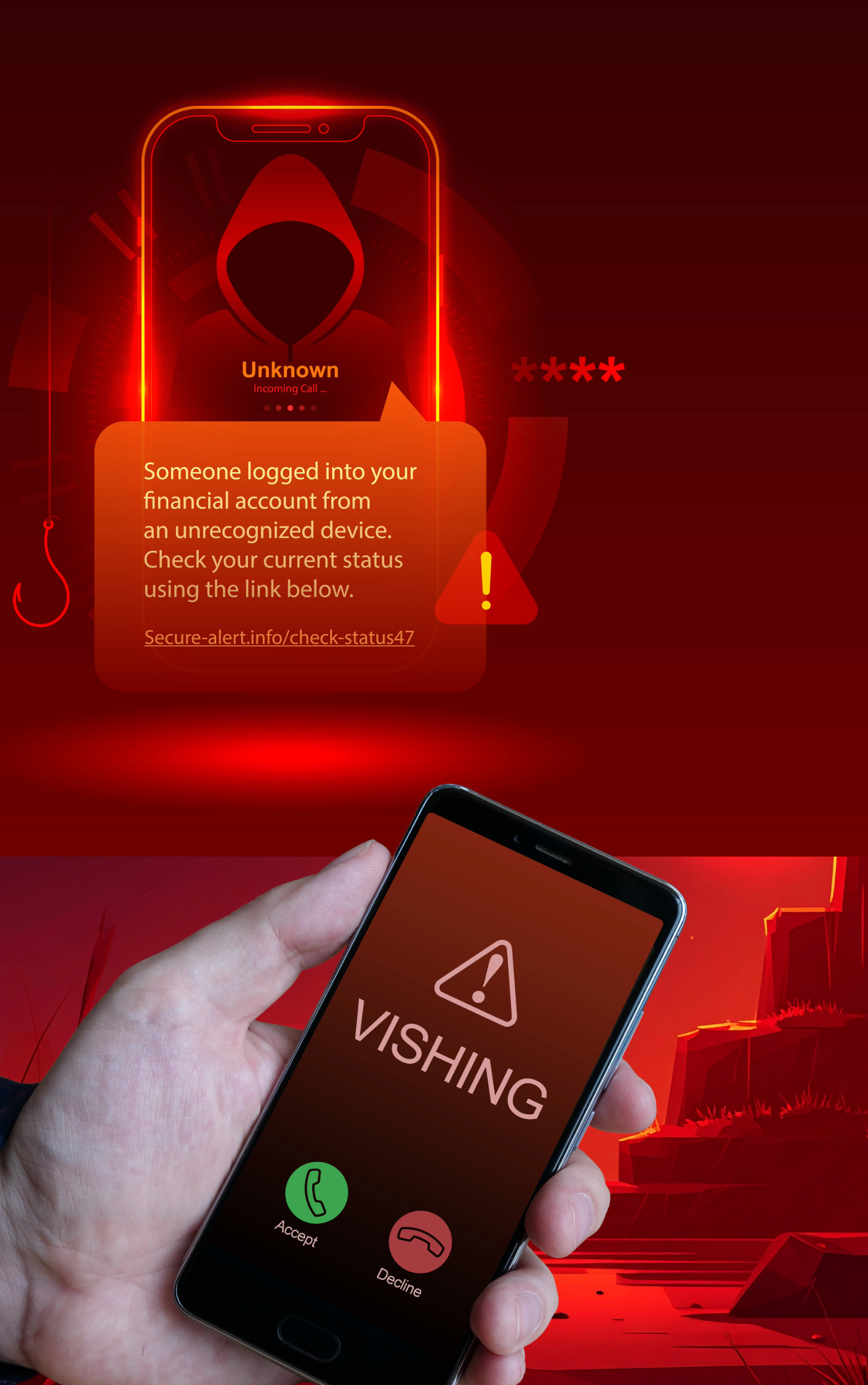
Text message scams, known as “smishing,” and fraudulent phone calls, known as “vishing,” have become increasingly common. You may receive a text about a missed package, a phone call claiming to be from your bank or a message requesting a verification code.
Remember:
- Never share verification codes with someone who contacts you unexpectedly.
- Hang up and call the organization back using an official phone number.
- Verify unusual requests through a different communication method.
Your Best Defense Is Awareness
Technology can help protect us, but staying informed is one of the most effective tools available. Taking a few extra seconds to verify a message, double-check a link or confirm a request can prevent major headaches later.
When in doubt, don’t click. Visit the organization’s official website directly, contact them through a trusted phone number or ask someone you trust for guidance. This “pause and verify” approach is a key recommendation from our team at PVT.
Stay Safe Online
The internet offers incredible opportunities to connect, learn and stay informed. By learning to recognize common scams and phishing tactics, you can help protect yourself, your family and your personal information.
Awareness is your best defense. Stay alert, stay informed and stay safe online.
Follow PVT for more Internet Safety Tips and practical ways to protect yourself in today’s connected world.