
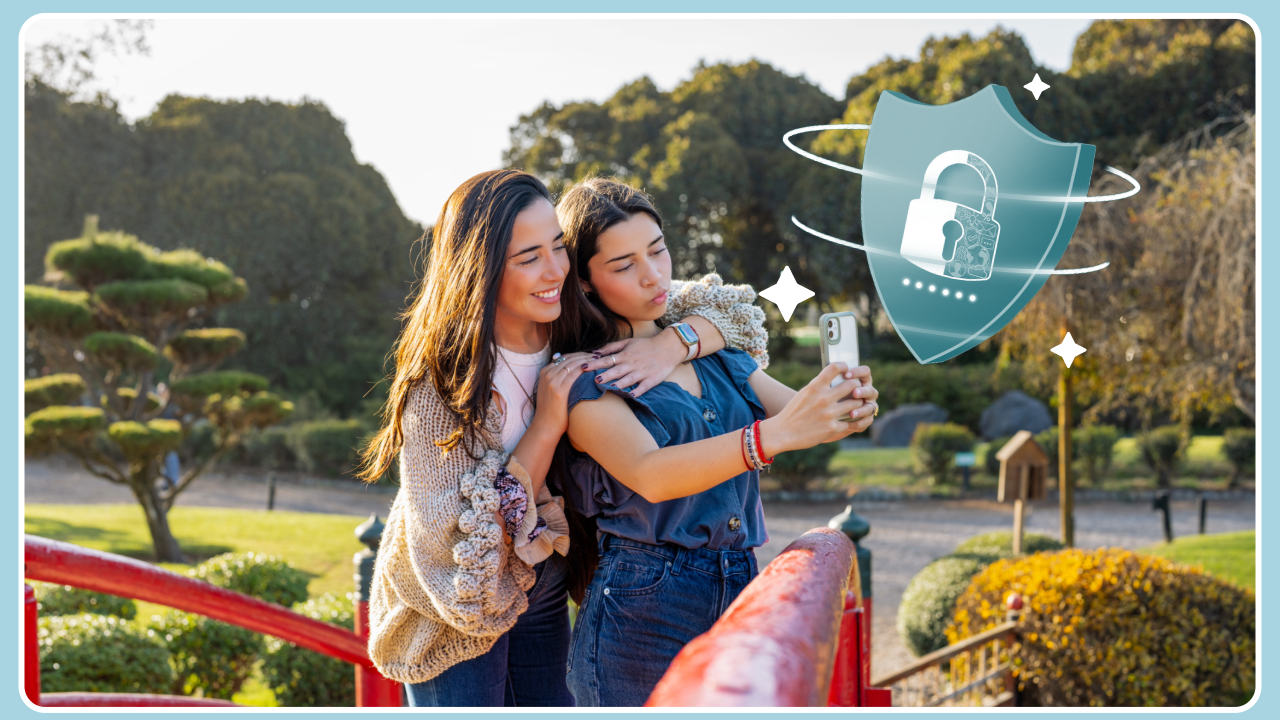
Every day, millions of people share photos, updates, and life events on social media. While connecting with friends and family is one of the best parts of being online, sharing too much information can sometimes create unintended risks.
One of the easiest ways to protect your privacy is to be mindful of the personal details you post online.
Why Personal Information Matters
The more information someone can gather about you online, the easier it becomes for them to:
- Impersonate you
- Guess account recovery questions
- Create convincing scams
- Target your home while you’re away
- Build a profile using information from multiple posts
Be Careful with Vacation Posts
Many people enjoy sharing travel photos and updates while they’re away. However, announcing that you’re out of town can also signal that your home may be unoccupied.
Instead of posting travel plans before or during your trip, consider waiting until you return home to share vacation photos and highlights.
You’ll still get to share your memories without broadcasting your absence in real time.
Watch What’s in the Background
Sometimes personal information is revealed accidentally.
Before posting a photo, take a moment to look at what’s visible in the background.
You may unintentionally share:
- House numbers
- Street signs
- Vehicle license plates
- Mail or packages
- School logos
- Work badges
- Documents with personal information
A quick review before posting can help prevent these details from becoming public.
Adjust Your Privacy Settings
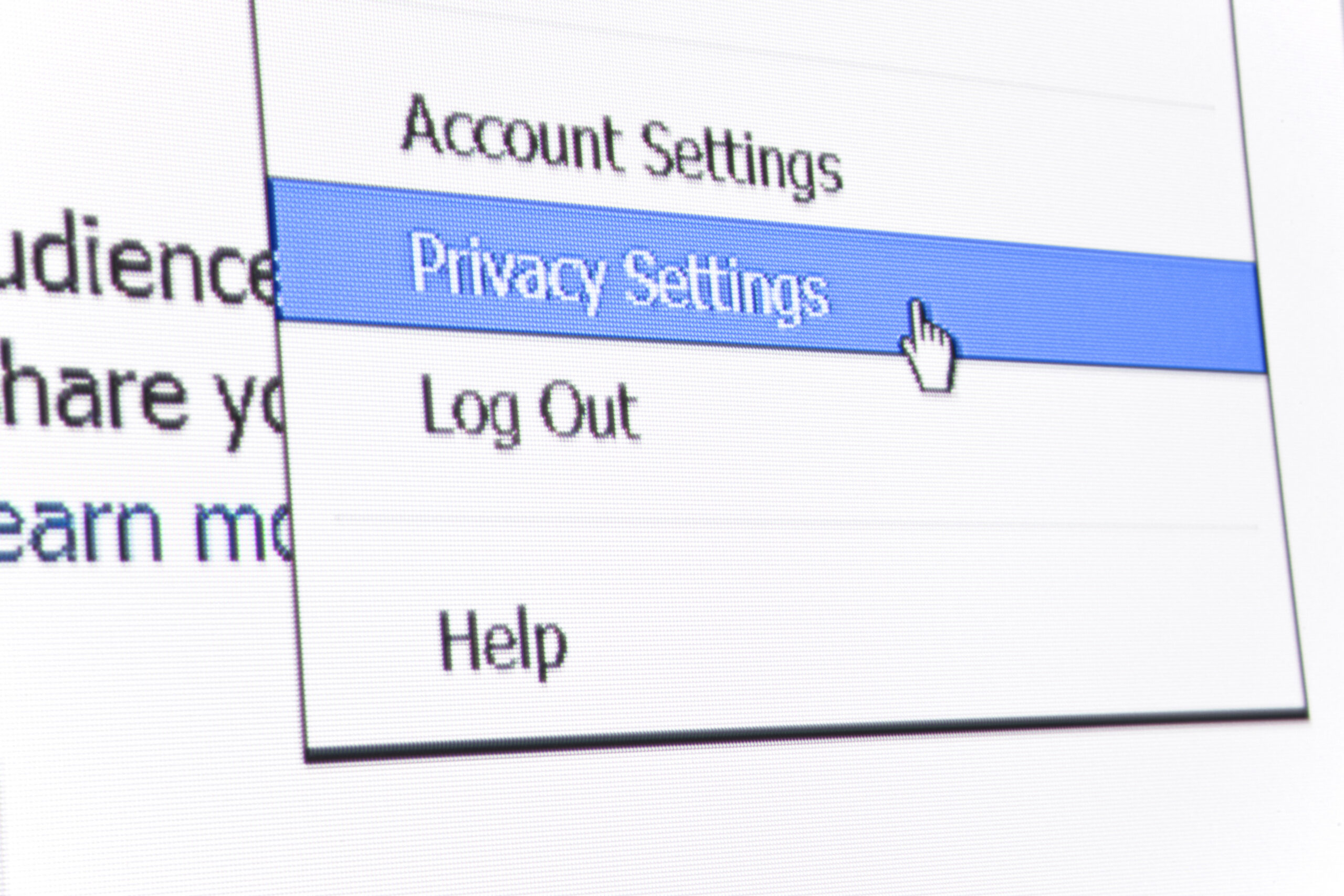
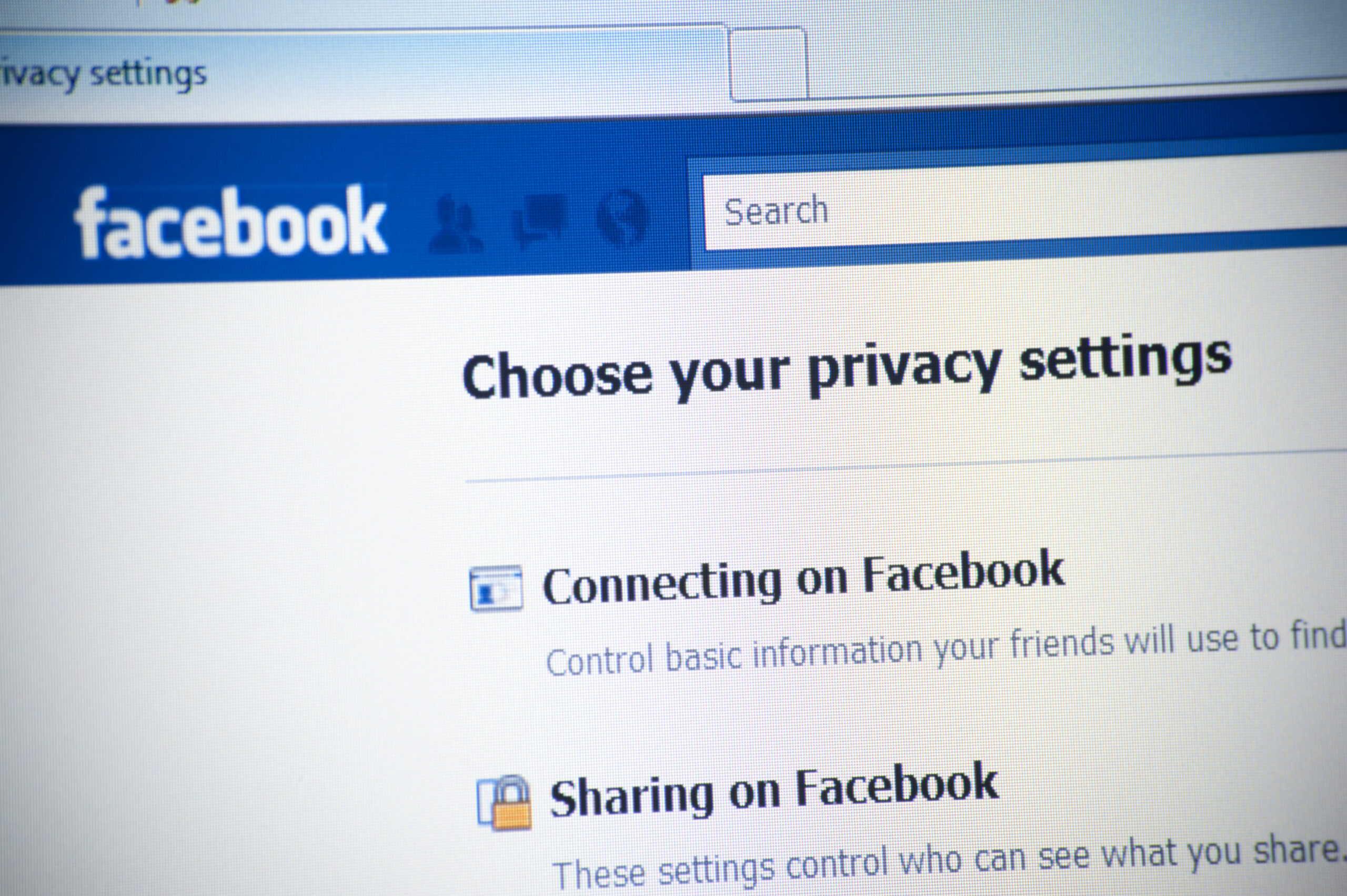
Reviewing privacy settings can help you control who sees your posts and personal information.
Most social media platforms allow you to control who can view your posts.
Take time to review your privacy settings and make sure you’re comfortable with your audience.
Consider:
- Limiting posts to friends and family
- Reviewing tagged photos before they appear on your profile
- Restricting location sharing
- Limiting who can find you through searches
Privacy settings can’t eliminate all risks, but they can help you maintain greater control over your personal information.
Think Before You Post
A good rule of thumb is to ask yourself:
“Would I be comfortable sharing this information with a stranger?”
If the answer is no, it’s worth reconsidering whether it belongs online.
Details such as your address, daily schedule, workplace, children’s school information, or upcoming travel plans are often best kept private.
Small Habits Make a Big Difference
Online safety isn’t about avoiding social media or disconnecting from technology. It’s about making thoughtful choices about what information you share and who can see it.
By being selective about personal details and reviewing your privacy settings regularly, you can enjoy the benefits of staying connected while helping protect yourself and your family.
Internet Safety Tip
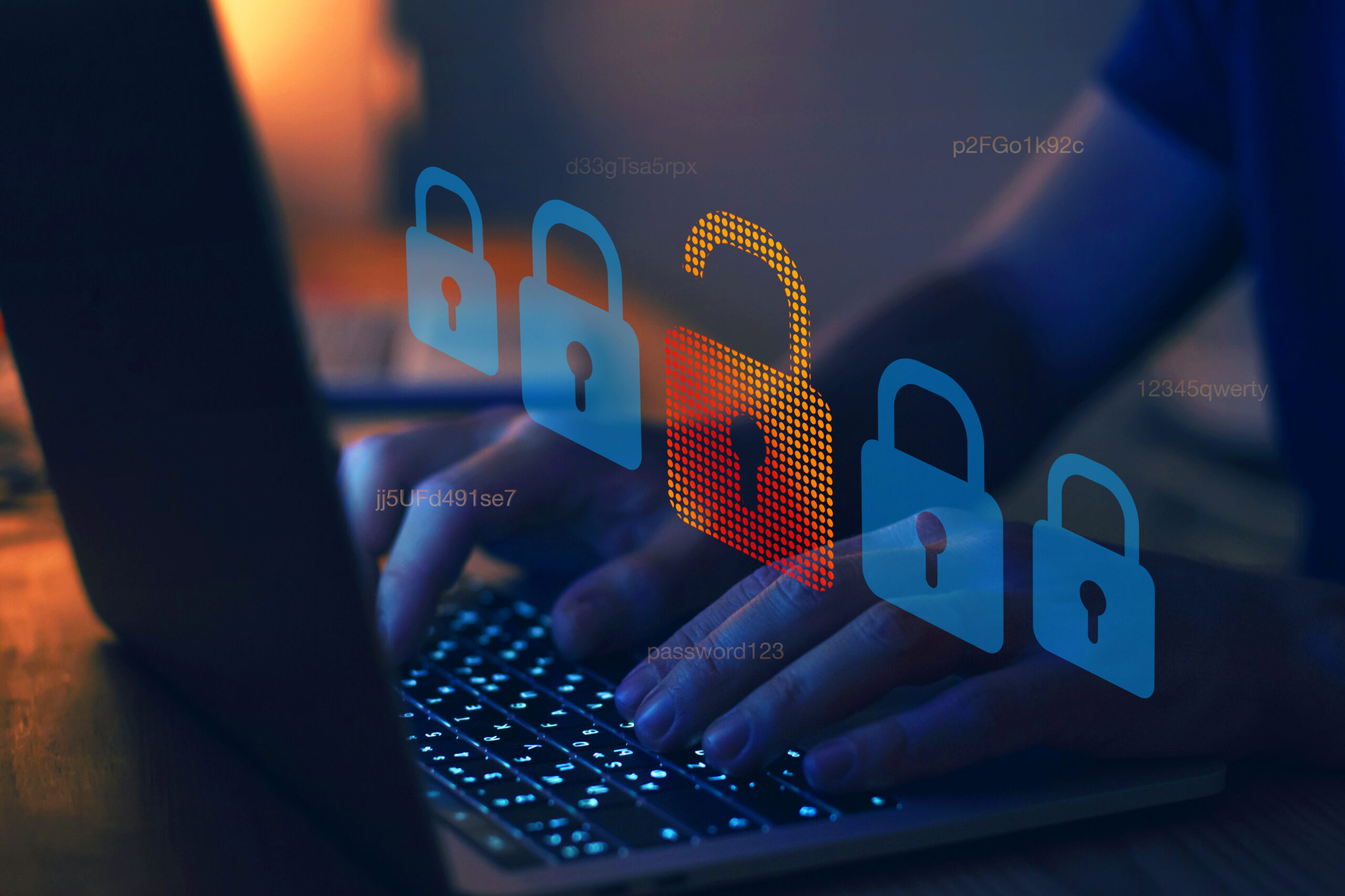
Take a second look before posting. Personal details can sometimes appear unintentionally.
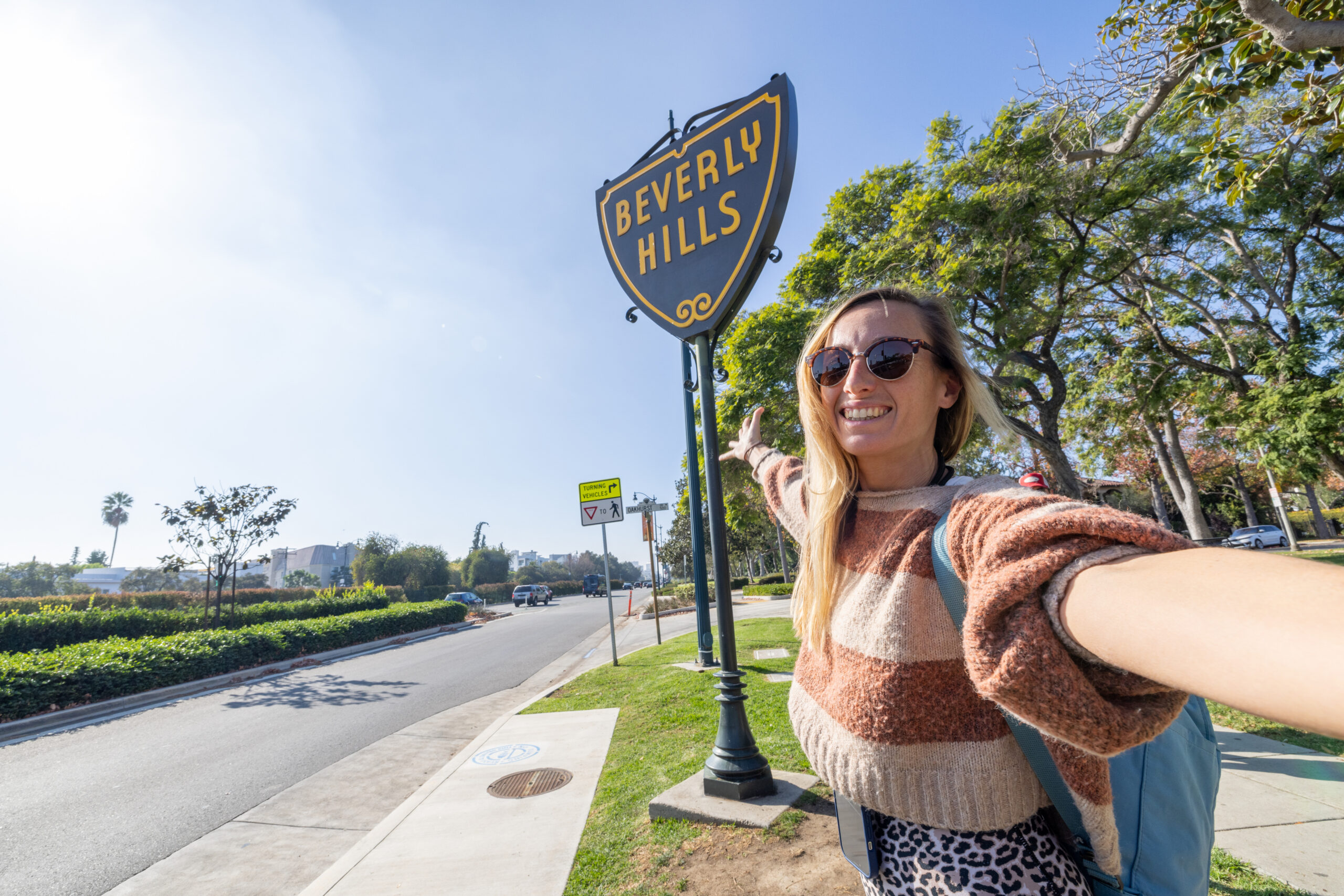
Consider whether sharing your real-time location is necessary before posting.
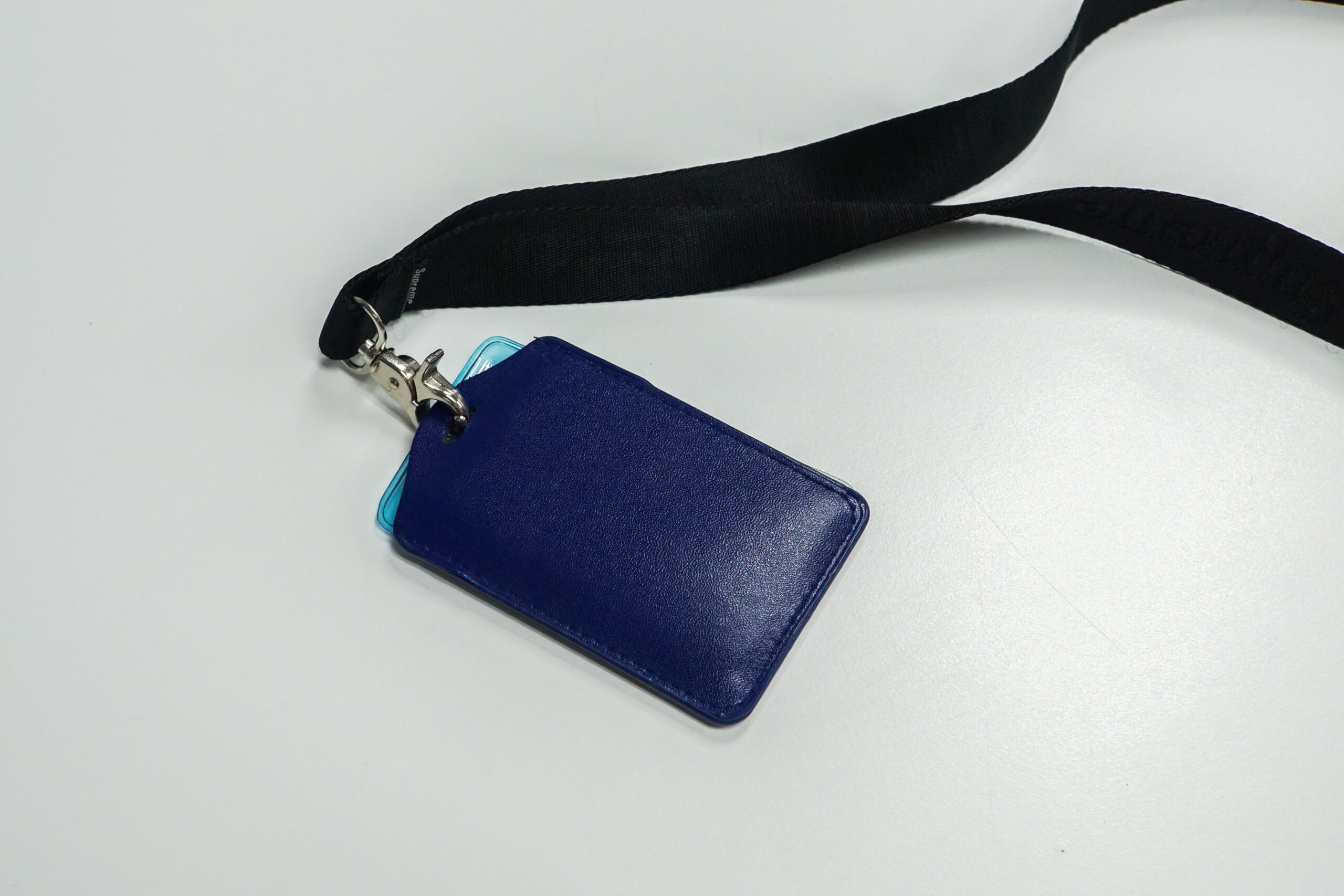
Check that common privacy risks, such as a visible address, license plate, or work badge are not being shared on your social media posts.
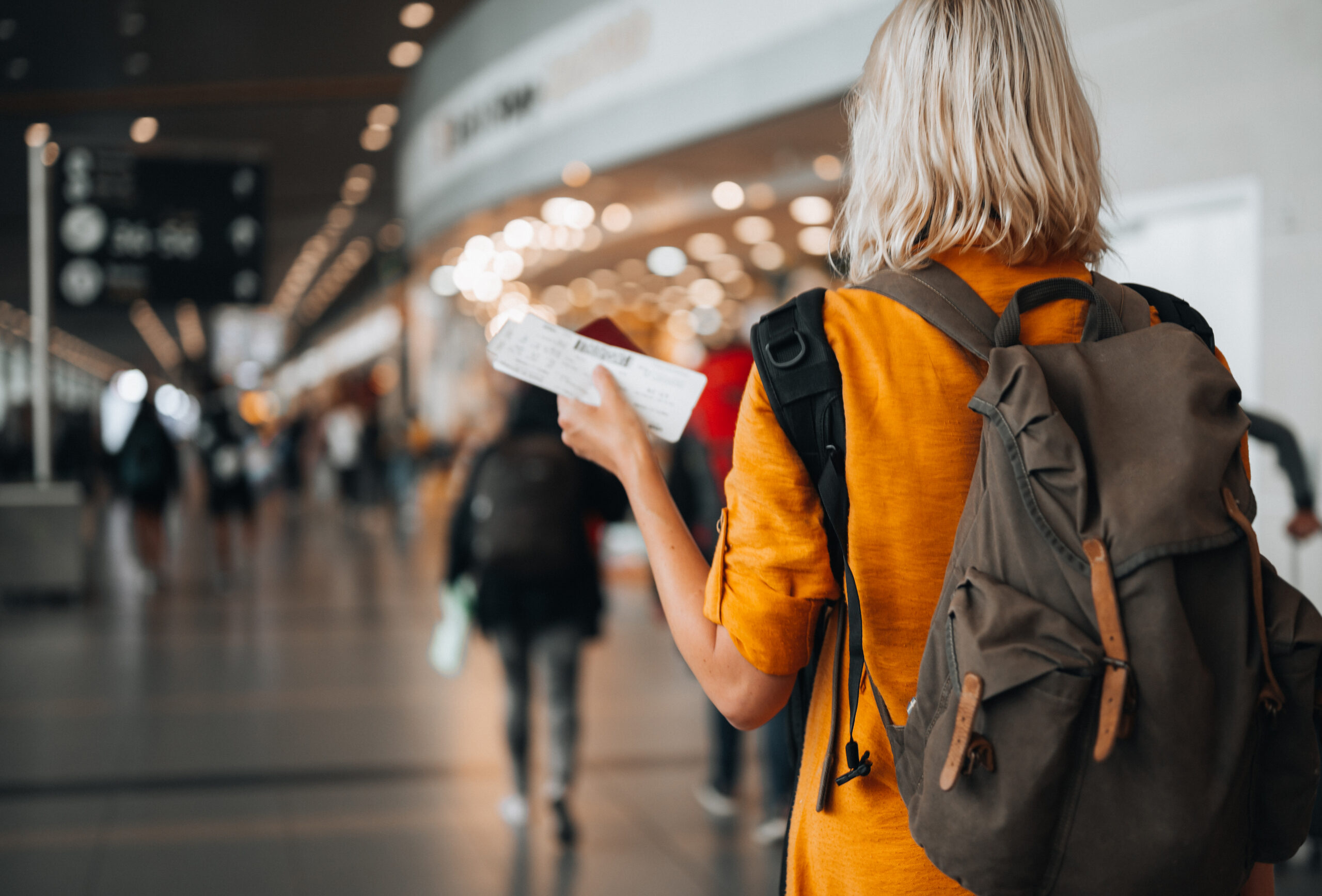
Be wary of sharing your travel plans online.